
029-81163280
13519147002
The Golden Magic on Your Tongue: How Caramel Flavoring Weaves a Flavor Web in Modern Food
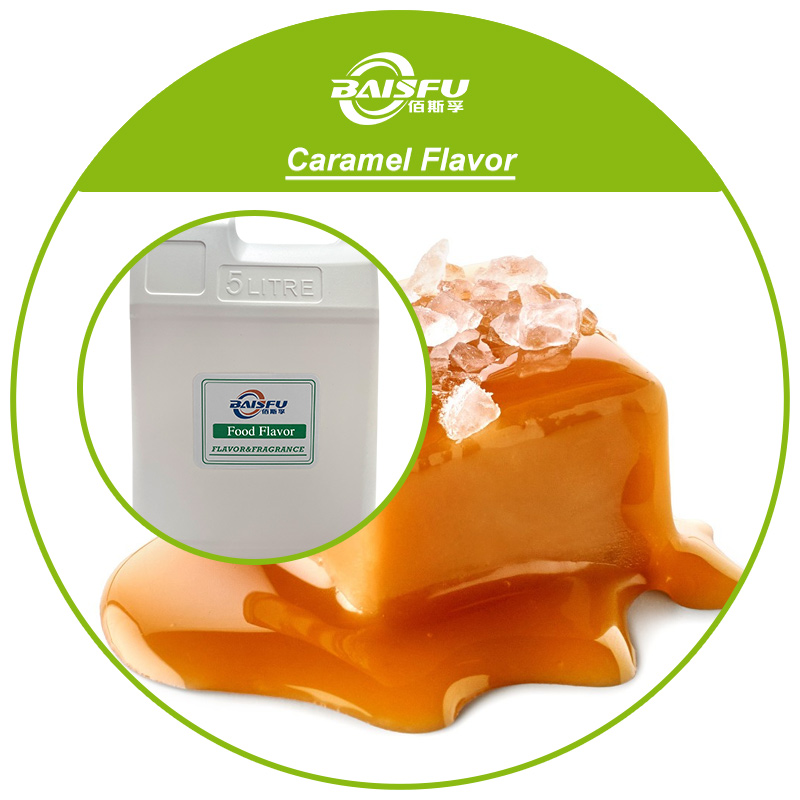
Key Advantages
1. Unparalleled Stability
Compared to the tendency of homemade caramel sauce to crystallize and spoil easily, caramel flavorings offer superior stability.
High-temperature processing resistance (can withstand baking temperatures above 200°C)
Strong adaptability to acidic and alkaline environments (wide pH range)
No flavor degradation during long-term storage (shelf life typically up to 24 months)
2. Precise and Controllable Flavor Expression
Caramel flavorings allow producers to precisely control every dimension of flavor:
Color control: From light gold to deep amber, without worrying about burnt bitterness from overheating
Sweet and bitter balance: The subtle ratio of sweetness to slight bitterness can be precisely adjusted
Flavor intensity: Significant flavor effects can be achieved with extremely low addition levels (typically 0.01%-0.1%)
3. Excellent Cost-Effectiveness and Consistency
Cost per kilogram is only 1/10 to 1/5 of that of natural caramel products
Minimal batch-to-batch flavor variation ensures consistent product quality
No complex heating equipment or skilled workers required
4. Wide Application Compatibility
Caramel flavorings are available in various forms suitable for different food systems:
Water-soluble liquids: suitable for beverages and dairy products
Oil-soluble liquids: suitable for chocolate coatings and fat-based products
Powder form: suitable for premixes, seasonings, and ready-to-eat products
5. Clean Label and Formulation Simplification Potential
Modern caramel flavoring technology enables producers to:
Reduce the use of additional colorants in formulations
Reduce total sugar content while maintaining a rich caramel flavor
Simplify ingredient lists to meet consumer demand for "clean labels"
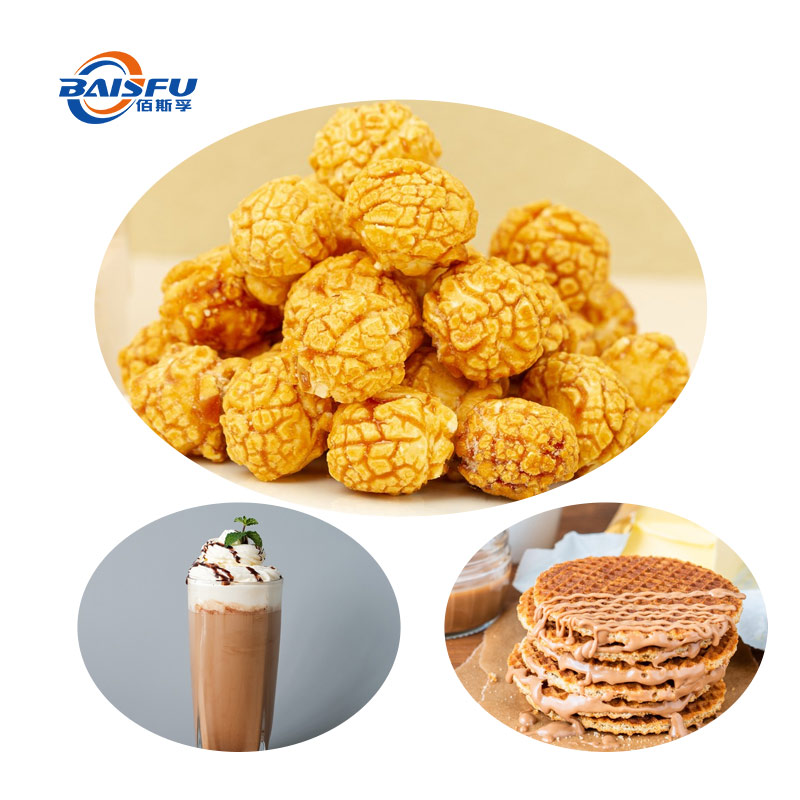
Application:
The "Golden Soul" of the Beverage World
Coffee and Tea: From caramel macchiatos in chain coffee shops to ready-to-drink coffee, caramel flavoring provides a stable and consistent flavor base.
Carbonated Beverages and Sparkling Water: Adding depth and complexity to non-alcoholic beverages.
Alcoholic Beverages: Widely used in whiskey, rum-based premixed drinks, and specialty cocktails.
Plant-Based Beverages: Creating familiar caramel sweetness in oat milk and almond milk, enhancing palatability.
The Warm Base of Dairy Products and Frozen Desserts
Ice Cream and Frozen Yogurt: Providing classic caramel flavor and a silky caramel sauce experience.
Fermented Dairy Products: The core flavor source for caramel-flavored yogurt and pudding.
Creamers and Flavored Milk: Providing an instant caramel enjoyment for coffee creamers and flavored milk.
The Sweet Pillar of Baking and Confectionery
Pastries and Desserts: An indispensable flavor element in caramel cakes, puddings, and mousses.
Cookies and Snacks: From caramel-filled cookies to caramel... Popcorn: Providing a signature sweet aroma
Chocolate and Confectionery: The foundational flavor structure of caramel chocolate, toffee, and milk candy
Baking Fillings and Sauces: Providing stable, non-crystallizing caramel flavor solutions
Umami Enhancers for Savory Foods
The often overlooked yet crucial applications of caramel flavors in savory foods include:
Sauces and Condiments: Adding color and complex flavor to soy sauce, barbecue sauce, and steak sauce
Meat Processing: Promoting Maillard reactions and enhancing flavor in products such as ham and bacon
Ready-to-Eat Meals and Soups: Providing depth and a "wok hei" (wok aroma) feel to prepared dishes
Cross-Industry Innovative Applications
Breakfast Cereals: Coating flavor for products such as corn chips and oat rings
Nutritional and Health Supplements: Improving texture and masking unpleasant flavors in protein bars and meal replacement products
Personal Care Products: Caramel-scented shampoos, lipsticks, and scented candles
Pet Food: Enhancing the palatability of pet treats