
029-81163280
13519147002
13519147002
What is milk flavor?
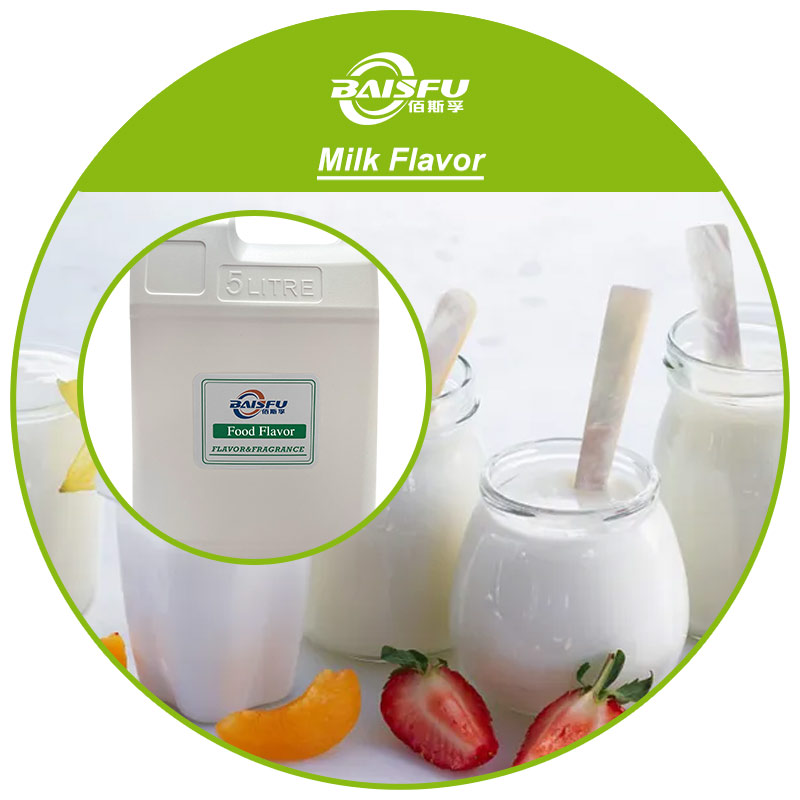
Core Characteristics of Milk Flavoring:
1. Unparalleled Stability and Processing Resistance
Unlike natural dairy products, which are sensitive to heat treatment and whose flavors are easily volatile or degrade, milk flavoring can withstand baking. This ensures that the product retains its full and stable fresh milk aroma, like "just-opened milk," throughout its shelf life and the moment the consumer opens the packaging.
2. Extremely High Flavor Intensity and Cost-Effectiveness
A very small amount of high-quality milk flavoring (typically added at 0.05%-0.3%) can significantly enhance or reinforce the creamy and rich taste of the product. This allows manufacturers to achieve a rich flavor profile without significantly increasing the content of expensive milk solids in the formula.
3. Facilitating "Clean Label" and Formula Simplification
Modern milk flavoring technology provides flavor more efficiently, allowing formulators to reduce their reliance on other complex ingredients used solely for flavor, resulting in a shorter ingredient list for the final product and a concept closer to what consumers understand as "natural."
4. Application Flexibility Beyond Physical Limitations
Milk flavoring can exist in water-soluble, oil-soluble, or powder forms, easily integrating into almost any medium.
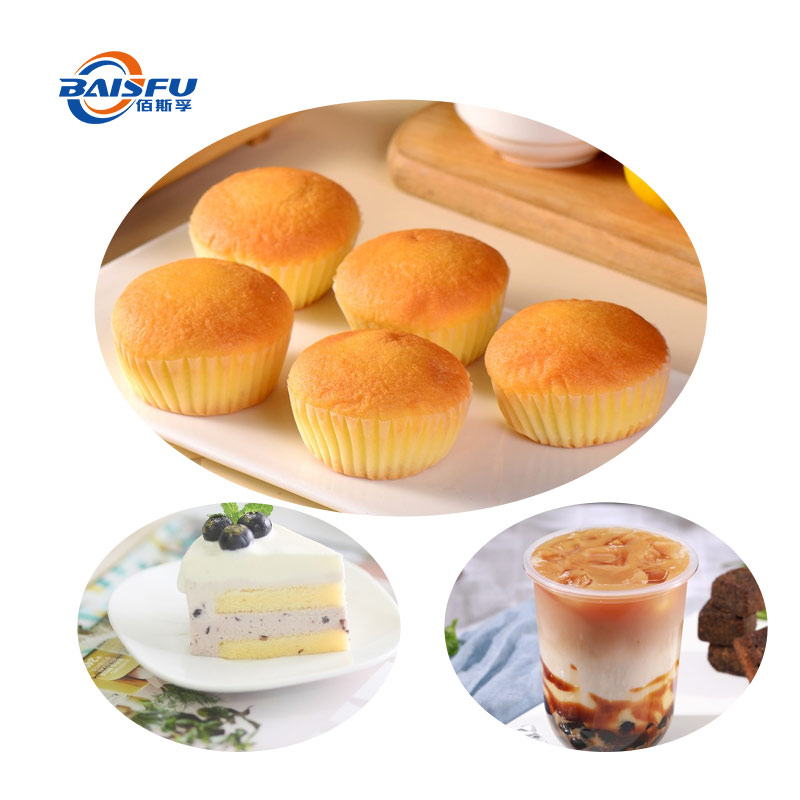
The Multidimensional Applications of Milk Flavoring:
1. Flavor Enhancer for Dairy Products:
Flavored milk and yogurt: Enhances the flavor base of chocolate milk and strawberry milk, making the fruit and milk flavors more harmonious; provides a richer, fuller aftertaste for yogurt.
Ice cream and frozen desserts: Crucial for rebuilding lost milk fat flavor and mouthfeel when reducing fat content or using vegetable fats.
Cheese and butter products: Used in processed cheese sauces and butter spreads to enhance their signature flavor and maintain batch consistency.
2. A Rich Foundation for Baking and Confectionery:
Baked goods: Provides an appealing milky aroma after baking in premixes for bread, cakes, and cookies; enhances flavor intensity in cream fillings and frostings without increasing water activity.
Chocolate and confectionery: Used in milk chocolate, caramel, toffee, and milk candies to shape their core milky sweet flavor characteristics.
3. The Flavor Soul of Snacks and Prepared Foods:
Widely used in cream-flavored potato chips, biscuits, popcorn, powdered beverages, and prepared meals such as cream soups, pasta sauces, and curries, providing a warm, rich, and satisfying flavor base.