
029-81163280
13519147002
13519147002
Coconut milk flavoring: "white gold" with a tropical flair
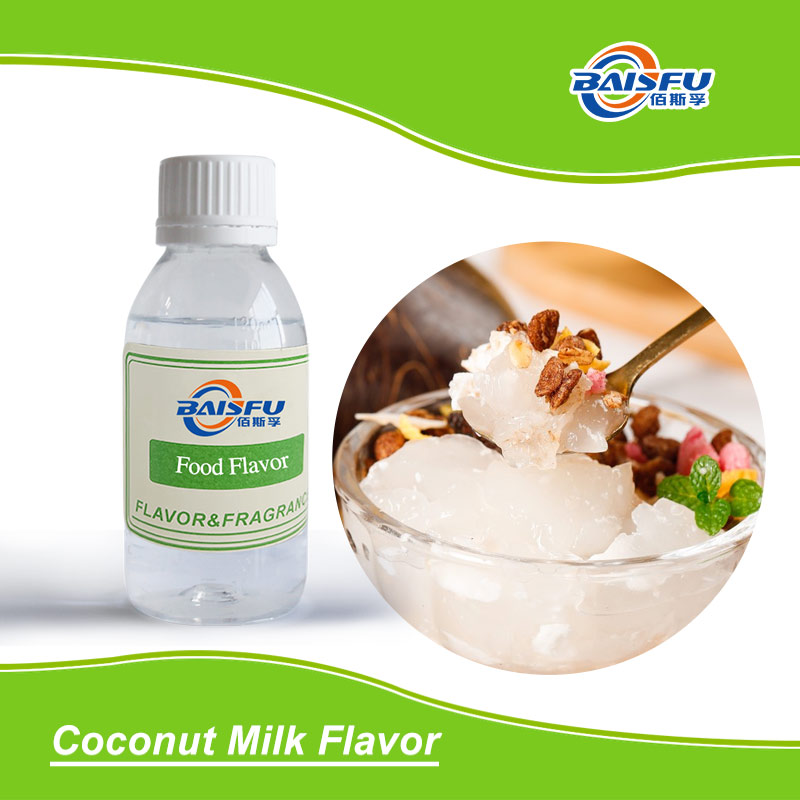
Coconut milk flavoring is a concentrated preparation that precisely simulates the characteristic flavor of natural coconut milk using modern food science and technology. Unlike simple coconut flavoring, coconut milk flavoring emphasizes the rich and full-bodied sensation of "coconut milk and milk flavor blended together"—it possesses both the unique fresh sweetness of coconut and the smooth, rounded quality of dairy products, creating a complex flavor profile that combines both "fruity" and "milky" characteristics.
Key Features
1. Rich and Complex Flavor
Unlike single-fruit flavors, the most prominent feature of coconut milk flavoring lies in its perfect balance of "coconut" and "milk." High-quality coconut milk flavoring combines the fresh sweetness of coconut with the rich, smooth texture of dairy products,
resulting in a harmonious blend of fragrant coconut milk and creamy flavors. This complex characteristic makes coconut milk flavoring naturally versatile—whether paired with coffee, tea, or combined with chocolate, nuts, or tropical fruits, it creates amazing flavor combinations.
2. Excellent Thermal Stability and Processing Adaptability
Natural coconut milk is highly susceptible to separation and oxidation at high temperatures, leading to rapid flavor degradation. Modern coconut milk flavorings are specially designed to withstand various harsh food processing conditions,
maintaining a stable coconut aroma even during high-temperature baking and long-term simmering. IFF microcapsule coconut milk flavoring can withstand high oven temperatures; even after two hours of simmering, coconut milk sago pudding still retains its fragrant coconut aroma upon opening.
3. Extremely High Cost-Effectiveness and Ultra-Low Dosage
Thanks to highly concentrated technology and microencapsulation process, the aroma intensity of premium coconut milk flavoring is 3-4 times that of ordinary powdered flavoring.
A very small amount (the recommended amount in food is usually only 0.01%-0.3%) is sufficient to achieve a rich coconut milk flavor, significantly reducing usage costs. Some baking factories have reported that after switching to microencapsulated coconut milk flavoring,
the dosage was reduced by nearly half, while the coconut aroma became even stronger than before.
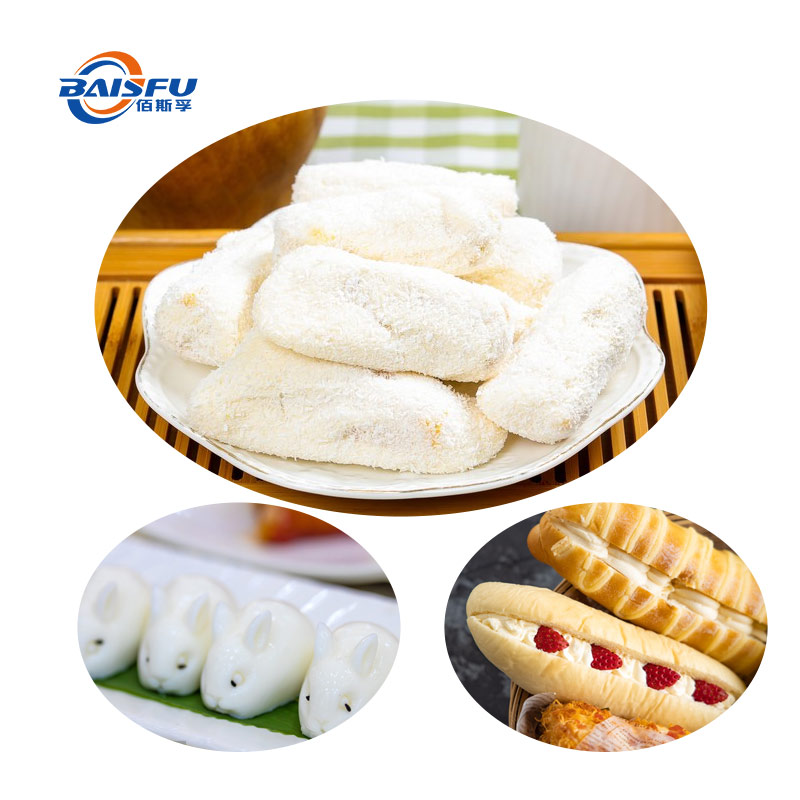
Application Areas
Beverage World: From Coconut Latte to the Plant-Based Wave
The application of coconut milk flavor in the beverage industry is rapidly expanding:
Coffee and Tea: Coconut lattes have become a classic bestseller in new-style tea and coffee chains. Coconut milk flavoring imparts a refined and elegant quality to coconut products,
blending seamlessly with other fruit flavors and tea bases to create a unique and refreshing tea-fruit aroma. Coconut milk flavoring dissolves quickly in cold water, ensuring stable flavor release in cold drinks.
Carbonated Beverages and Juices: Can be used in coconut-flavored sodas and juices, adding a distinctive coconut milk character to beverages.
Baking and Confectionery: Flavor Challenges at High Temperatures
Coconut milk flavoring has enormous potential in the baking industry, especially when paired with chocolate and nuts:
Cakes, Muffins, and Bread: In coconut milk cakes and breads, the flavoring is added during the batter mixing stage to give the product a unique coconut milk flavor.
Cookies and Biscuits: Recommended dosage is approximately 0.3%, suitable for various baked goods.
Fillings and Coatings: In coconut milk flavored cream fillings and toppings, the flavoring provides a rich coconut aroma.
Candy and Chocolate: In products such as coconut milk candies, coconut milk chocolates, and jellies, the addition amount is typically 0.05%-0.3%.
Dairy Products and Frozen Desserts: A Stabilizer of Flavor
Ice Cream and Popsicles: Coconut milk flavored popsicles have become a popular choice in convenience stores during the summer.
The recommended usage of coconut milk flavoring is approximately 0.15%-0.3%.
Flavored Yogurt: Coconut-flavored yogurt is widely popular among young consumers.
Pudding and Mousse: Coconut milk flavoring gives products a light, delicate, smooth, and rich texture.
Snacks and Health Foods
Solid Beverages and Meal Replacement Powders: Coconut milk meal replacement powders have become a staple for fitness enthusiasts.
The flavoring components of coconut milk flavoring are highly concentrated, requiring only ultra-low addition amounts to achieve a natural, fresh, and authentic coconut milk flavor.
Energy Bars and Nutritional Foods: The recommended usage is approximately 0.4%.
Puffed Foods and Nuts: Coconut milk flavored potato chips, coconut milk flavored popcorn, and other snacks are infused with a rich coconut aroma.
Savory Foods: Cross-Industry Innovation
The application of coconut milk flavoring in the savory food sector is equally impressive:
Curries and Soups: Coconut milk is a core ingredient in Southeast Asian curries, and coconut milk flavoring can enhance and standardize the coconut flavor profile in these products.
Sauces and Seasonings: Innovative condiments such as coconut milk flavored barbecue sauce and coconut milk flavored salad dressing.