
029-81163280
13519147002
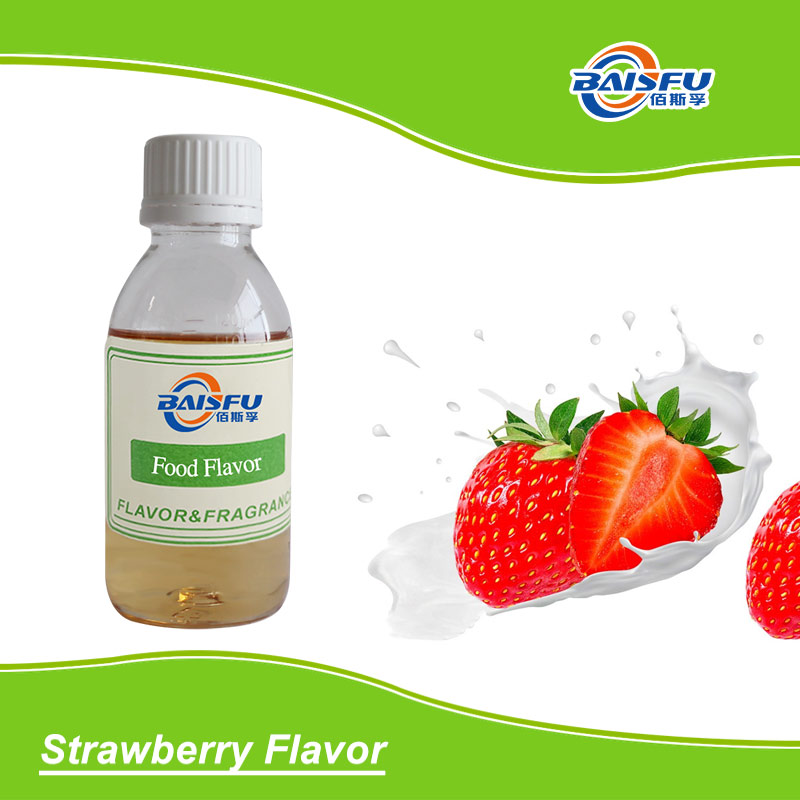
Five Core Advantages of Strawberry Flavoring
1. Excellent Thermal Stability and Processing Adaptability
Strawberry flavor is extremely delicate; fresh strawberry juice often loses its flavor upon heating. Modern strawberry flavorings, however, are specially designed to withstand various demanding food processing conditions.
2. Precise and Controllable Flavor Expression
Using strawberry flavoring, manufacturers can precisely control the flavor characteristics of the final product:
Flavor Type Selection: Different styles such as "fresh strawberry," "ripe strawberry," "strawberry jam," and "wild strawberry" can be blended.
Precise Intensity Control: The ideal flavor intensity can be achieved by controlling the addition amount between 0.05% and 0.3%.
Batch Consistency: The flavor of each batch of product remains highly consistent, unaffected by fluctuations in the season and origin of raw materials.
3. Diverse Dosage Form Adaptability
Strawberry flavoring exists in various forms to adapt to different food systems and processing techniques:
Dosage Form Application Areas
Water-soluble liquids: Beverages, juices, jellies, frozen drinks
Oil-soluble liquids: Biscuits, candies, chocolates, baked goods
Powdered flavorings: Solid beverages, cereals, soup mixes, snack foods
Water-oil dual-use type: Ice cream, bread, biscuits, premium beverages
This diverse dosage form selection allows the strawberry flavor to be easily integrated into almost any food system without altering the original texture of the product.
4. Significant Cost and Supply Chain Advantages
Usage costs are only 1/10 to 1/5 of fresh strawberries or their concentrated juice.
It avoids supply chain risks associated with fresh fruit price fluctuations, seasonal shortages, and long-distance transportation.
Shelf life is long, 2-5 years, requiring no cold chain storage or transportation.
5. Broad System Compatibility
While strawberry flavoring exhibits different behaviors in different food matrices, this difference actually provides more possibilities for product development. Research shows that in dairy systems, due to the special interaction between milk proteins and flavor compounds, flavor release is slower and more persistent, which provides a natural advantage for dairy products such as yogurt and ice cream that require long-lasting flavor retention.
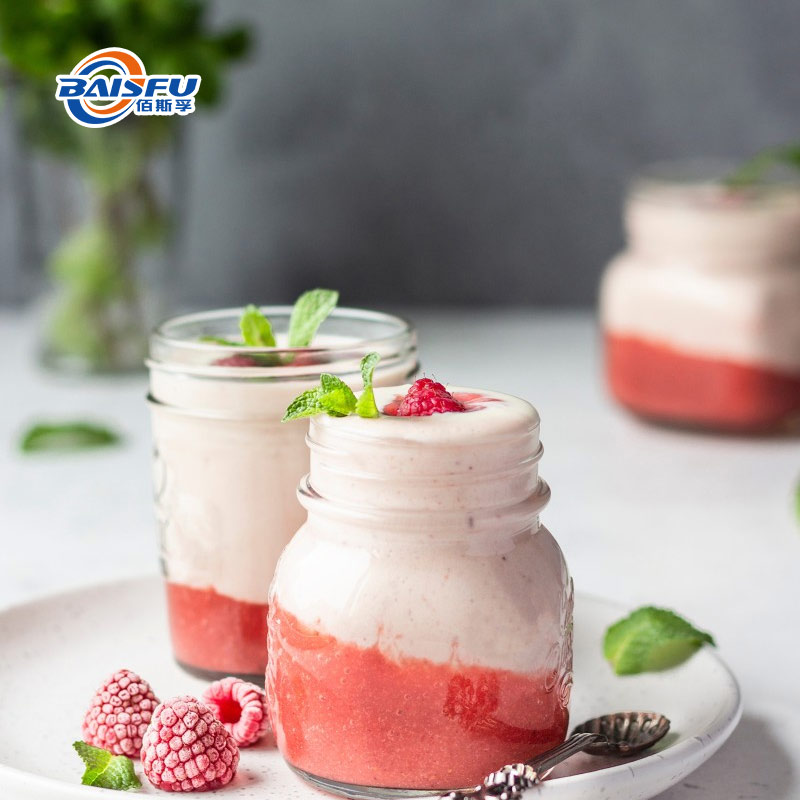
The Multidimensional Application Landscape of Strawberry Flavor
Beverage World: From Classic to Innovative
Strawberry-flavored beverages are almost ubiquitous. In the dairy industry, strawberry-flavored flavored milk and strawberry yogurt have become the second largest category after plain flavor.
In the beverage industry, strawberry flavoring is widely used in carbonated drinks, fruit juices, plant-based protein drinks, tea drinks, and coffee. Especially with the rise of new-style tea drinks in recent years, strawberry flavor has become a core element of blockbuster drinks.
Dairy Products and Frozen Desserts: The Stabilizer of Flavor
Ice cream, popsicles, frozen yogurt, mousse, pudding—strawberry is one of the most popular classic flavors in these frozen desserts. The application of strawberry flavoring in these products not only provides a vibrant flavor but also avoids the risks of ice crystals, discoloration, and microorganisms associated with using real strawberries.
Baking and Confectionery: The Bearer of Sweetness
In products such as cookies, cakes, bread, candy, and chocolate, strawberry flavoring needs to withstand the test of high-temperature baking. Oil-soluble and powdered strawberry flavorings are specifically designed for these applications, maintaining flavor stability at baking temperatures above 180°C.
Snacks: From Classic to Surprising
Strawberry-flavored potato chips, strawberry-flavored popcorn, strawberry-flavored cereal, strawberry-flavored nutrition bars… strawberry flavoring is constantly expanding the flavor boundaries of snacks.