
029-81163280
13519147002
13519147002
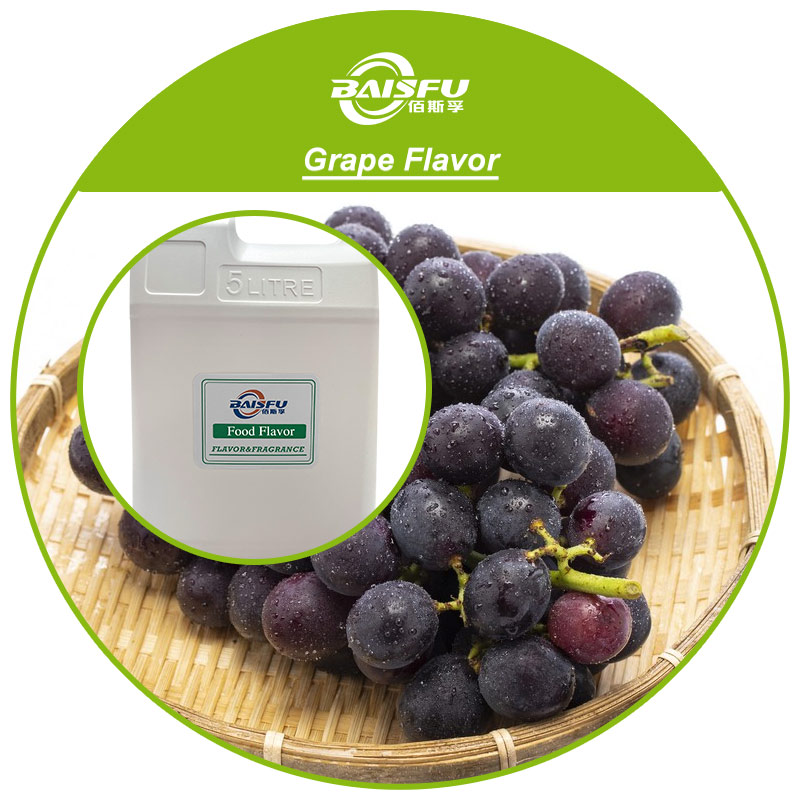
The Highly Recognizable "Classic Grape Flavor"
Key Features
1. Highly Distinctive "Classic Grape Flavor"
Among numerous fruit flavors, grape flavor is highly recognizable. High-quality grape flavoring instantly evokes consumers' classic memory of "purple grape"
—that sweet, rich, slightly floral, and jam-like aroma, making it instantly recognizable as "grape." This strong cultural imprint makes grape flavoring a popular
choice for children's foods and nostalgic flavor products.
2. Excellent Stability and Processing Adaptability
Key flavor compounds in grape flavorings exhibit good chemical stability, tolerating various food processing conditions:
Heat Resistance: Withstands baking, sterilization, pasteurization, and other processes.
Acid Resistance: Stable in acidic beverage systems with a pH of 2.5-4.5.
Light Resistance: Compared to some natural fruit juice pigments and flavors, grape flavorings are not sensitive to light and have a long shelf life.
3. Strong Flavor Impact and Cost-Effectiveness
Grape flavorings belong to the "strong flavor" category—a very small amount (typically 0.05%-0.2%) is sufficient to impart a distinct grape character to a product.
This high intensity makes it highly cost-effective, especially suitable for candies, beverages, and frozen desserts requiring a strong flavor impact.
4. Good Compatibility and Blending Ability
Grape flavorings have excellent compatibility with other fruit flavors (such as apple, strawberry, blueberry, and citrus), and are often used to develop compound juices,
mixed fruit candies, and cocktails. Furthermore, innovative combinations of grape flavorings with floral (rose, violet), vanilla, and mint flavors are frequently seen.
Application Areas
Beverage World: From Classic Soft Drinks to New-Style Tea Drinks
Grape flavor is widely used in the beverage industry, ranking as the third most popular fruit flavor after citrus and strawberry:
Carbonated Beverages: Grape flavoring provides a stable and intense flavor base.
Fruit Juices and Fruit Juice Drinks: 100% grape juice typically uses a concentration and reconstitution process; flavoring can be used to enhance and
repair flavor loss during processing. In compound fruit juices, it is often blended with apples, white grapes, berries, etc.
New-Style Tea Drinks: Grape milk curd, grape oolong tea, and grape-flavored drinks have become seasonal bestsellers in tea shops.
Grape flavoring can compensate for batch variations in fresh fruit flavor, ensuring product consistency.
Dairy Beverages and Yogurt Drinks: Grape-flavored milk and grape-flavored lactic acid bacteria drinks are especially popular in the children's market.
Alcoholic Beverages: Wine-flavored cocktails, grape liqueurs, grape-flavored premixed cocktails, grape craft beer, etc.
Candy and Snacks: Sweet Carriers of Flavor
Grape is the second most classic fruit flavor in the world of candy after strawberry:
Hard Candy and Lollipops: Transparent purple grape hard candy is a childhood memory for generations; grape flavoring provides a strong and lasting flavor.
Gummy Candy and Gummy Gum: Grape-flavored gummy bears and grape-flavored QQ candies owe their chewy texture and rich flavor to the addition of flavoring.
Jelly and Pudding: Grape jelly is a classic product in the Asian market; flavoring ensures the jelly's flavor remains stable throughout its shelf life.
Bubble Gum and Chewing Gum: Grape-flavored chewing gum is highly recognizable and popular among teenagers.
Chocolate and Coatings: Grape-flavored chocolate (common in the Japanese market) paired with white chocolate creates a unique fruit dessert experience.
Dairy Products and Frozen Desserts: Refreshing Purple Temptations
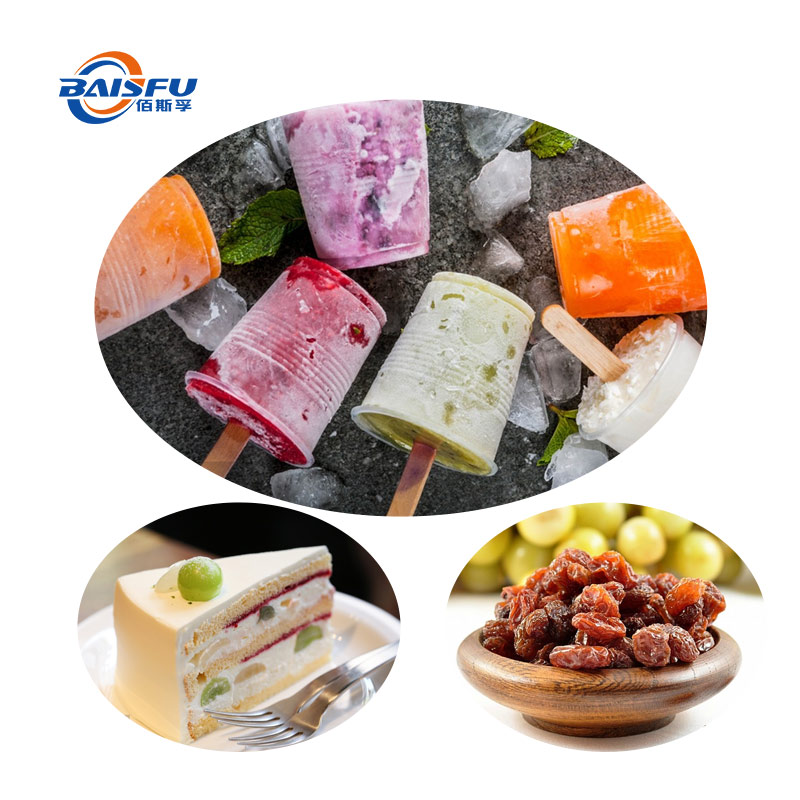
Ice Cream and Popsicles: Grape-flavored popsicles (especially Kyoho grape flavor) perform strongly in the Asian summer market; their purple
appearance complements their sweet and sour flavor.
Flavored Yogurt: Kyoho grape yogurt has become a staple on yogurt shelves in China and Japan. Puddings & Mousses: Grape pudding and grape mousse cups,
ideal for innovative flavors in dessert shops or pre-packaged desserts.
Baking & Breakfast Cereals: Innovative Crossover Attempts
The application of grape flavor in baking is relatively niche, but has huge potential:
Cakes & Muffins: Fresh grape-flavored cakes beyond raisin cakes, which can be used in batter or cream fillings.
Cookies & Biscuits: Grape-flavored sandwich cookies and grape-flavored shortbread cookies.
Breakfast Cereals: Grape-flavored tortilla chips and grape-flavored cereal.